
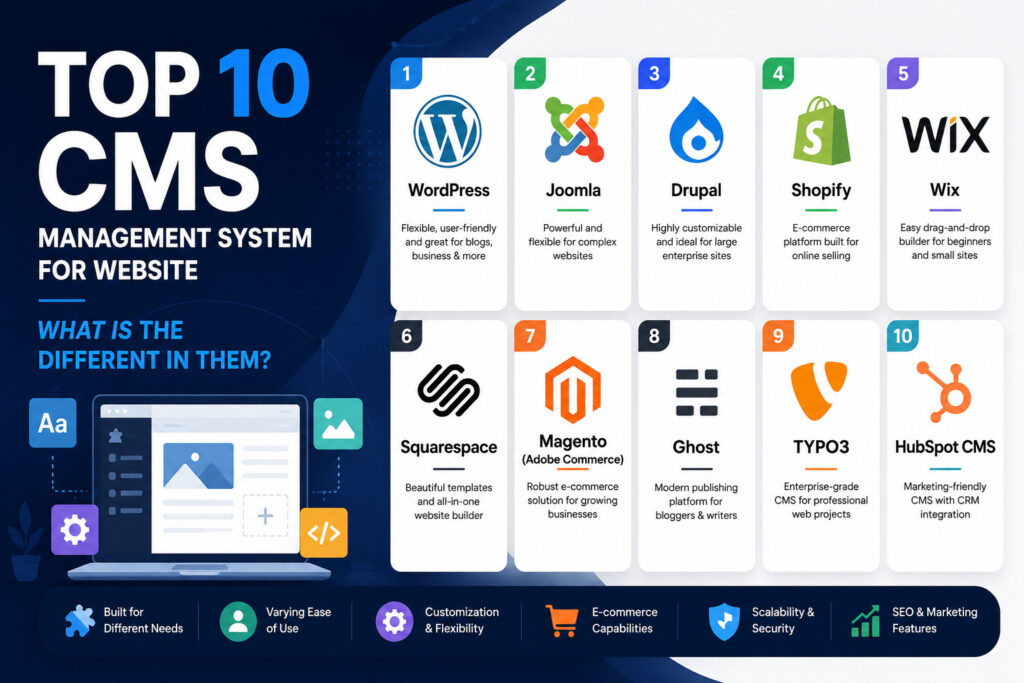
When you are making a blog, an online store or a corporate website the Content Management System you choose is very important. There are many options and each one has its own good and bad points so it can be easy to get confused. Today we will look at the 10 Content Management Systems that are popular on the web and see what makes each one special, which will help you find the right one for your project.
1. WordPress
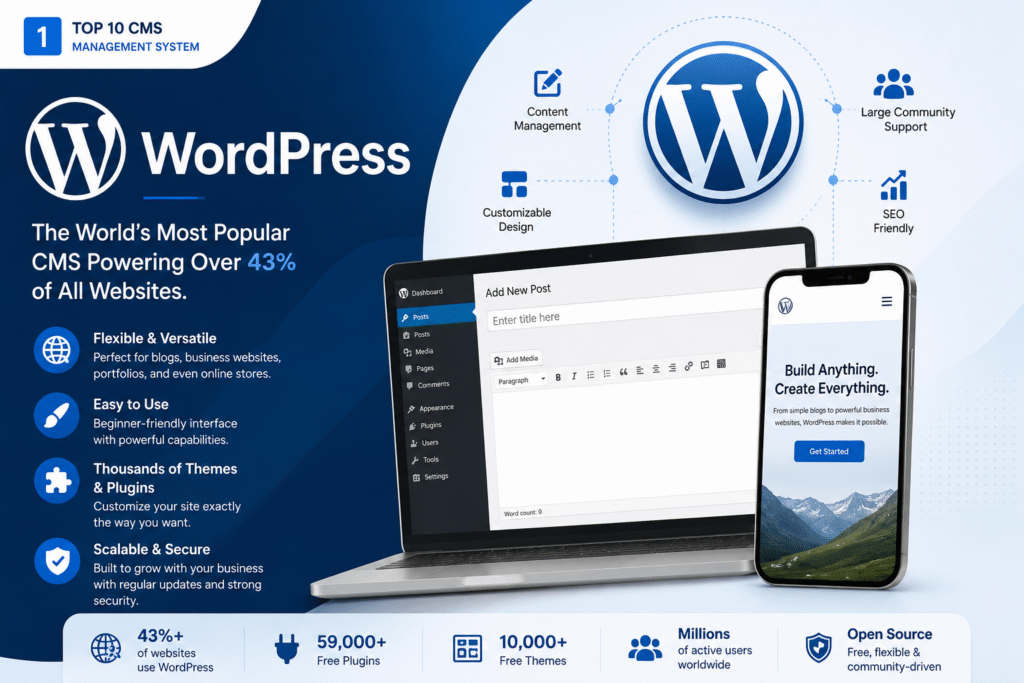
WordPress is the popular Content Management System and it is used by over 40% of all websites on the internet. People love WordPress because it is very flexible has a lot of plugins and is easy to use. Whether you want a blog or a big e-commerce site with WooCommerce WordPress can do it. Because WordPress is source a lot of people are always making new themes and tools for it.
2. Joomla
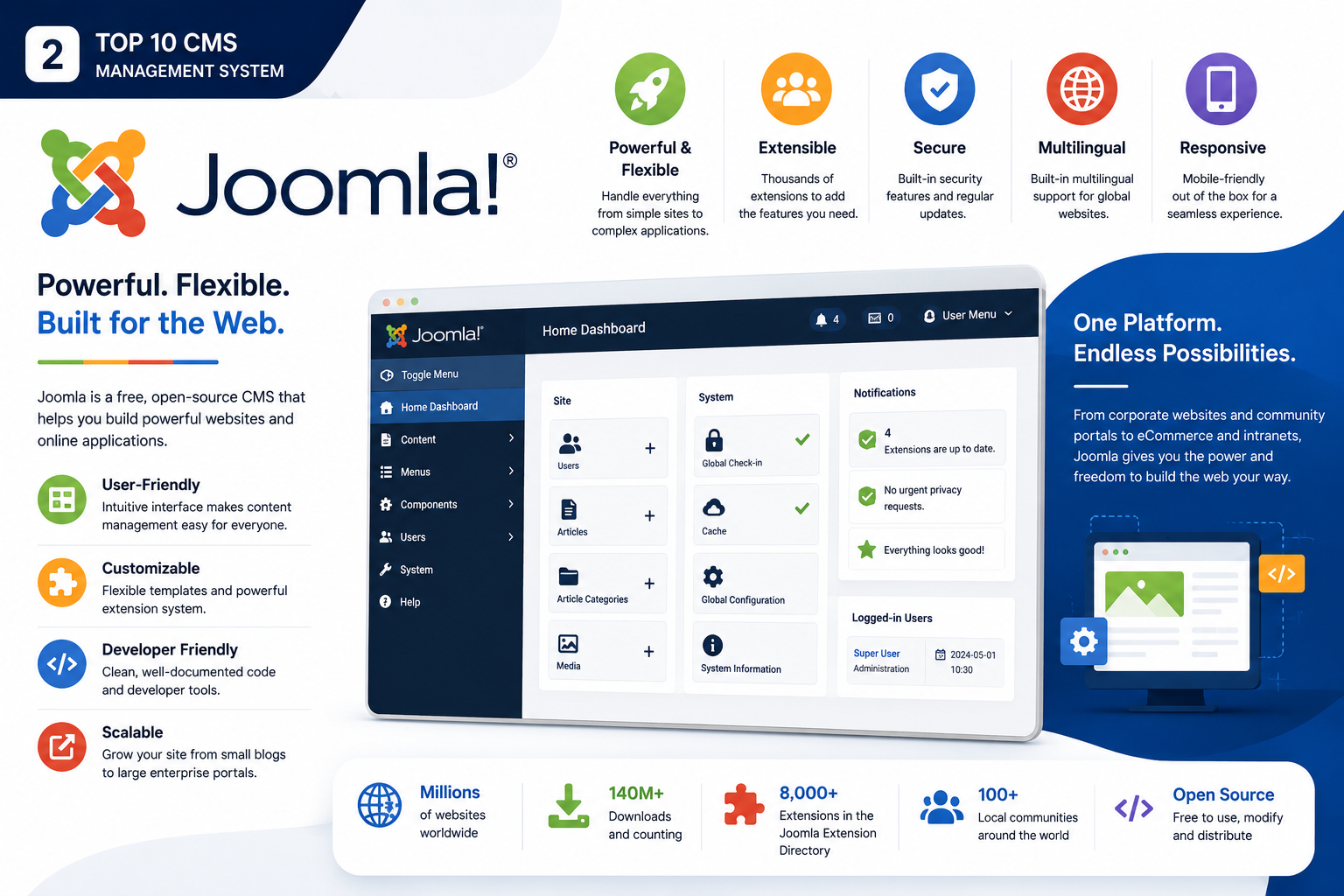
Joomla is a middle ground between being easy to use and giving developers control. It can handle content and multiple languages, which makes it a favorite among technical users who want something strong but not as complicated as WordPress.
3. Drupal
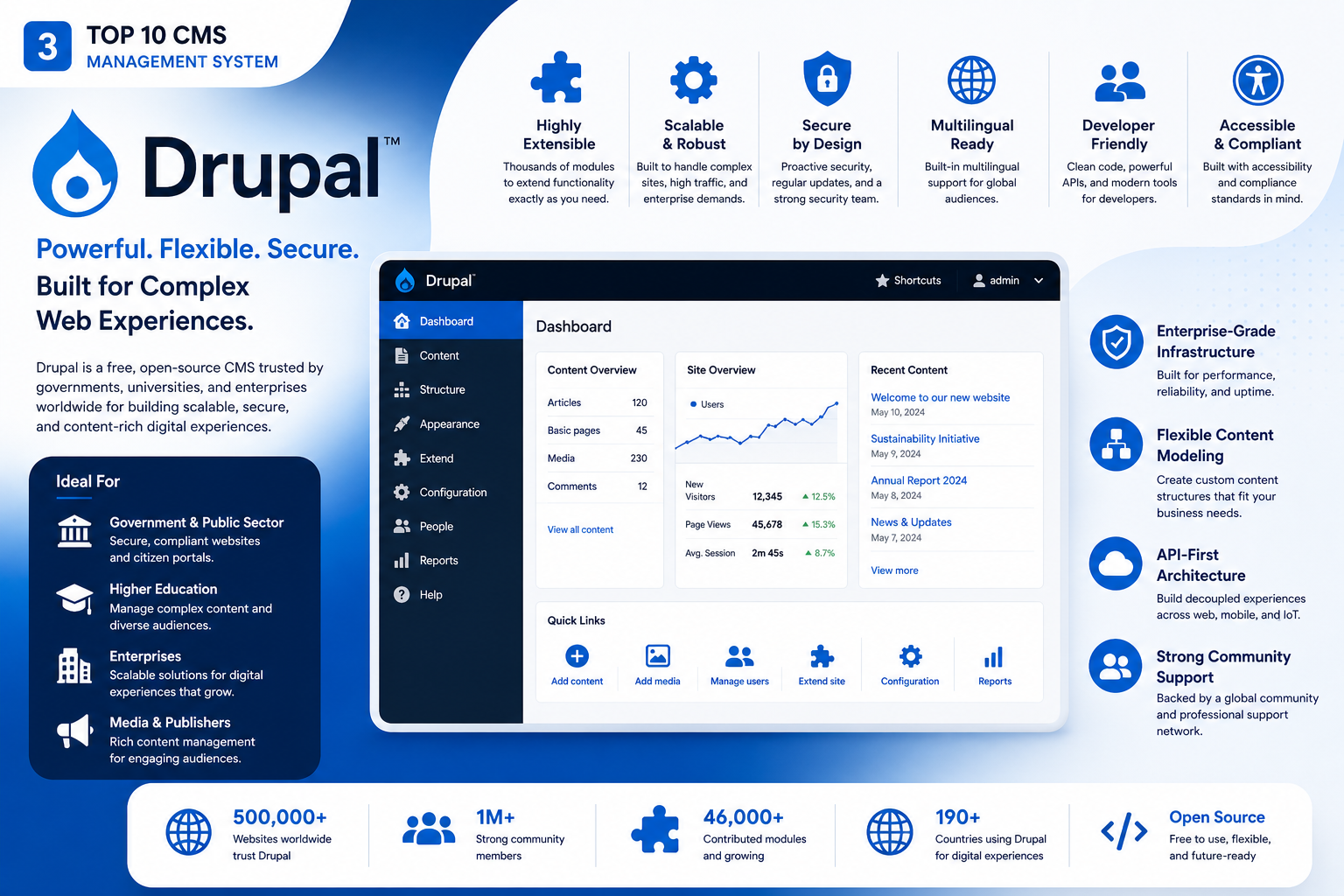
Drupal is a powerful Content Management System that is known for being able to handle a lot of traffic and being secure. It is often used by organizations, government sites and companies that need custom workflows and advanced user permissions. It can be hard to learn. It is very flexible.
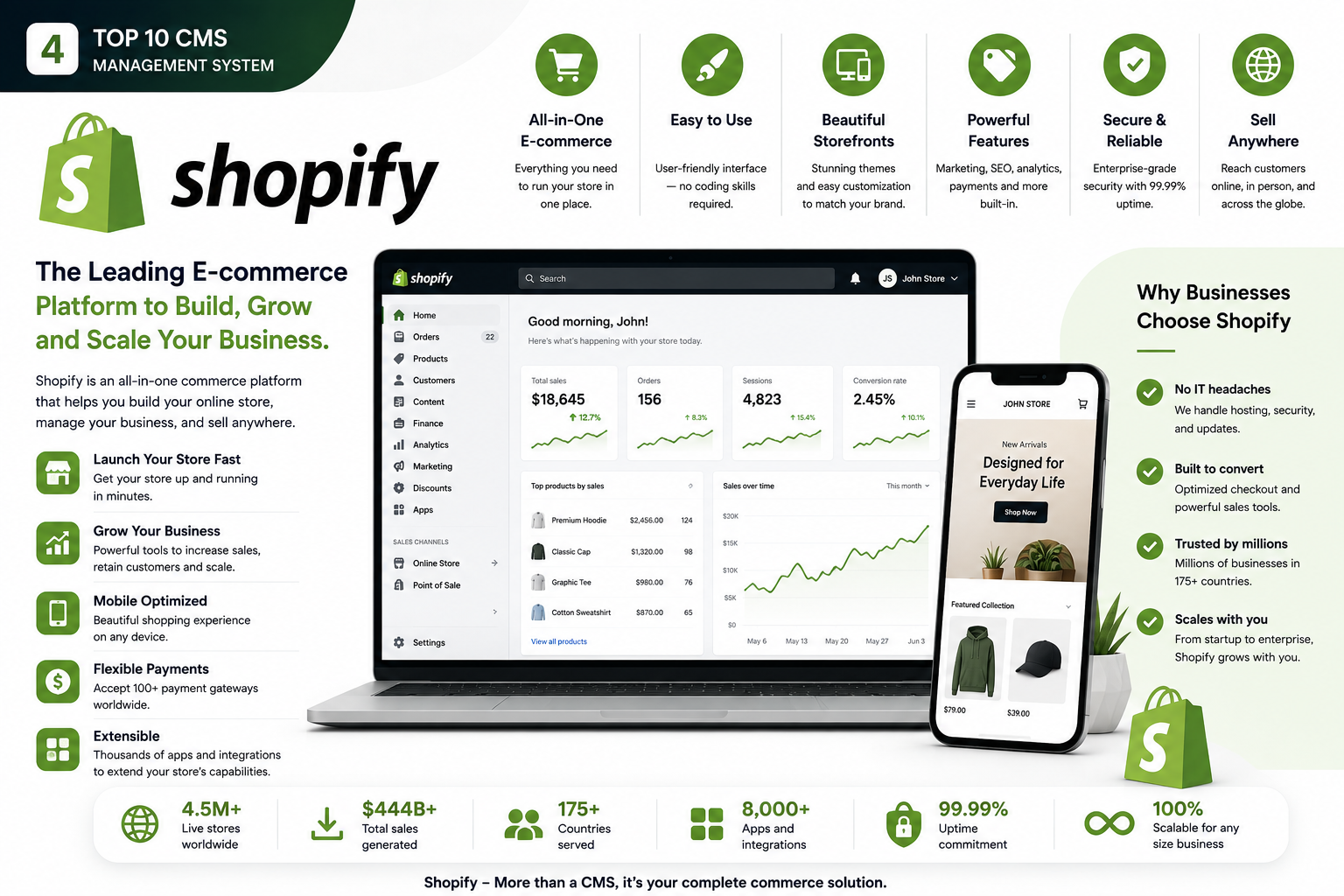
4. Shopify
Shopify is focused on e-commerce. It makes building an online store easy with minimal technical problems. It is perfect for entrepreneurs who want an reliable setup with built-in payment processing and inventory management.
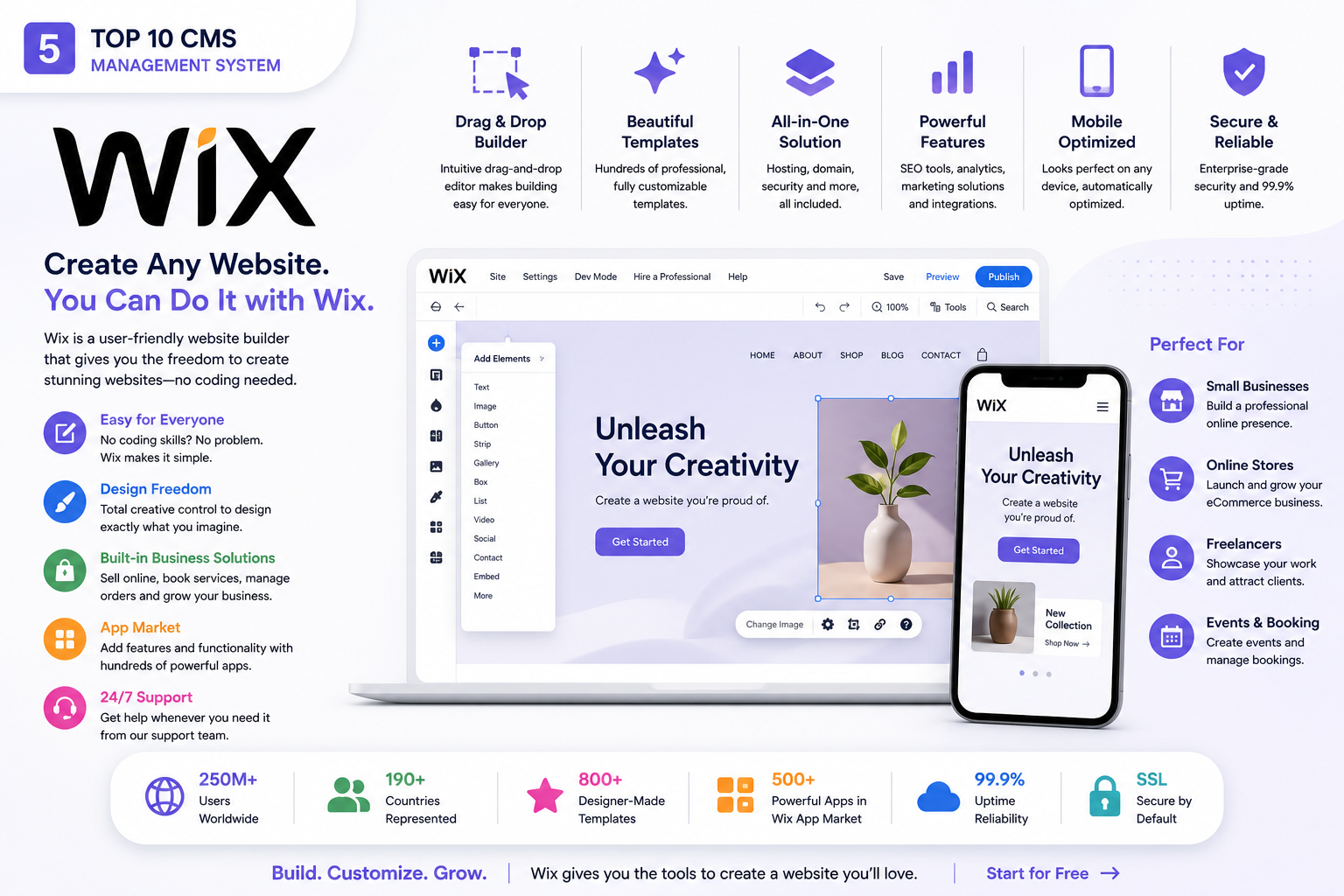
5. Wix
Wix is a website builder that also works as a Content Management System. It is ideal for beginners who want customizable templates without having to write code. Although it is not as flexible as open-source Content Management Systems, its simplicity and all-in-one hosting make it appealing to businesses and creatives.
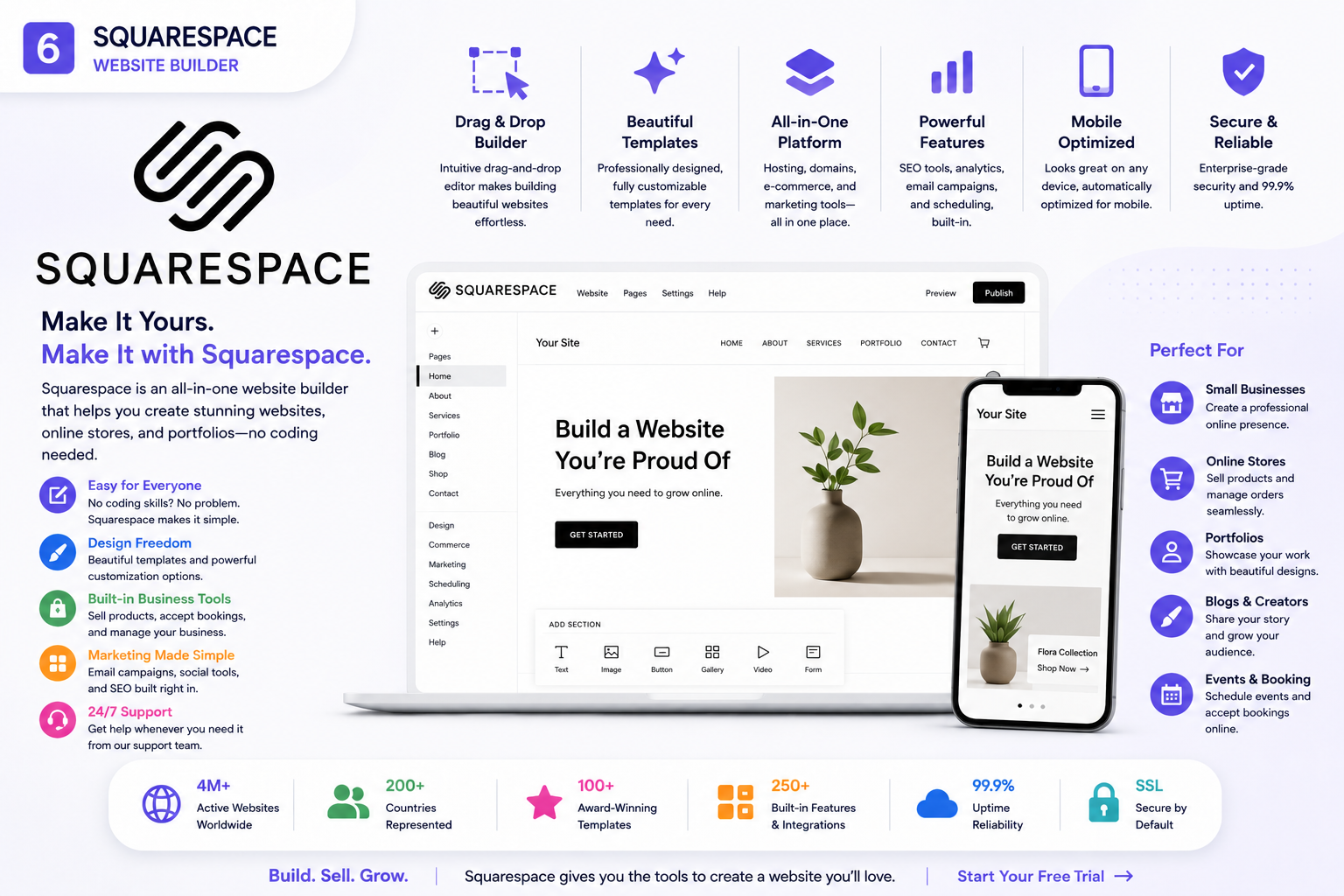
6. Squarespace
Squarespace is similar to Wix. It offers beautiful design templates and an easy-to-use interface. It is very popular among artists, photographers and bloggers who care about how their site looks and want it to be easy to use. Its built-in features for blogging, e-commerce and search engine optimization make it a strong around choice.
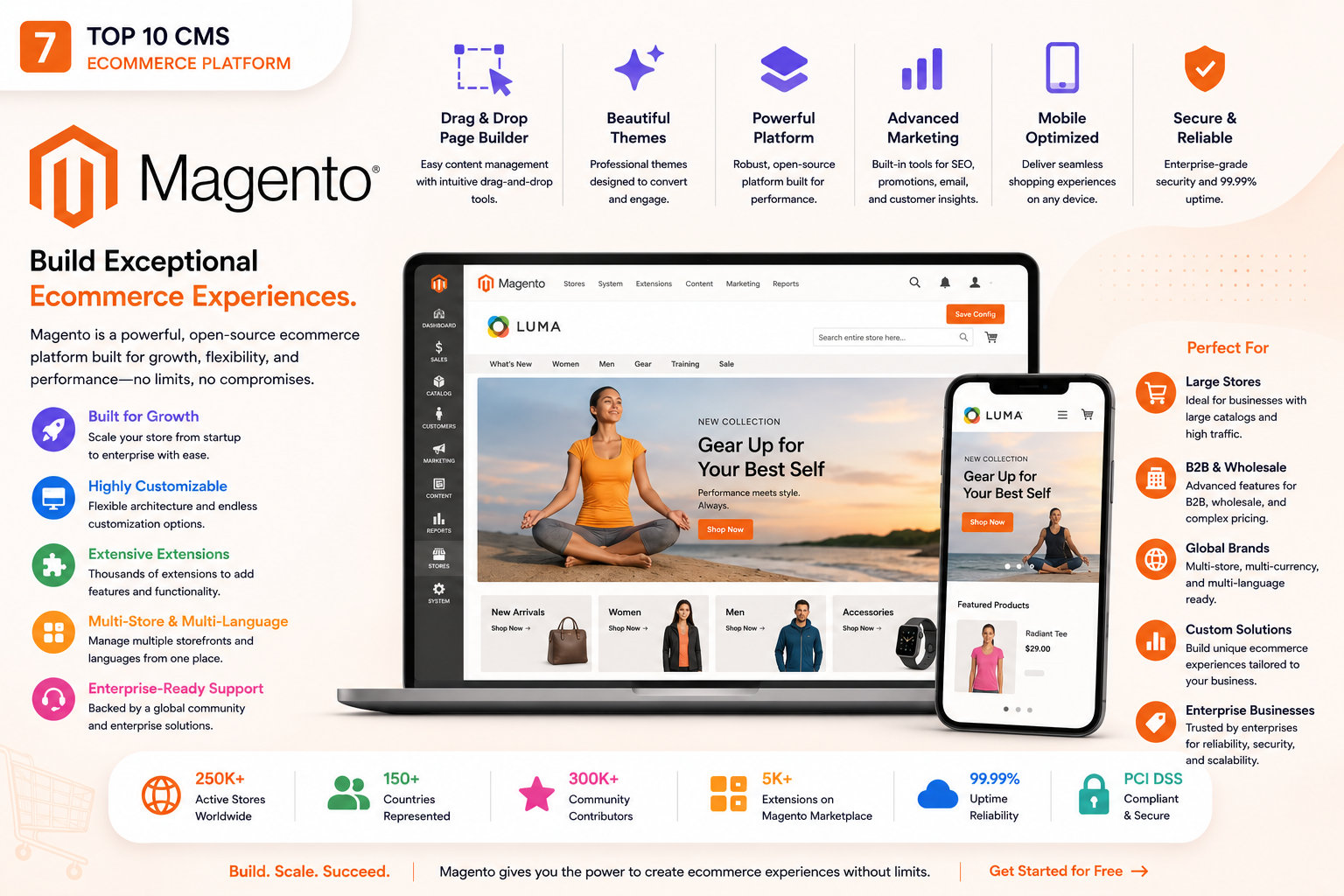
7. Magento
Magento is a player in the e-commerce world and it is designed for large online stores with complex needs. It provides a lot of customization, powerful product management and multi-store capabilities. It requires more technical expertise and hosting resources.
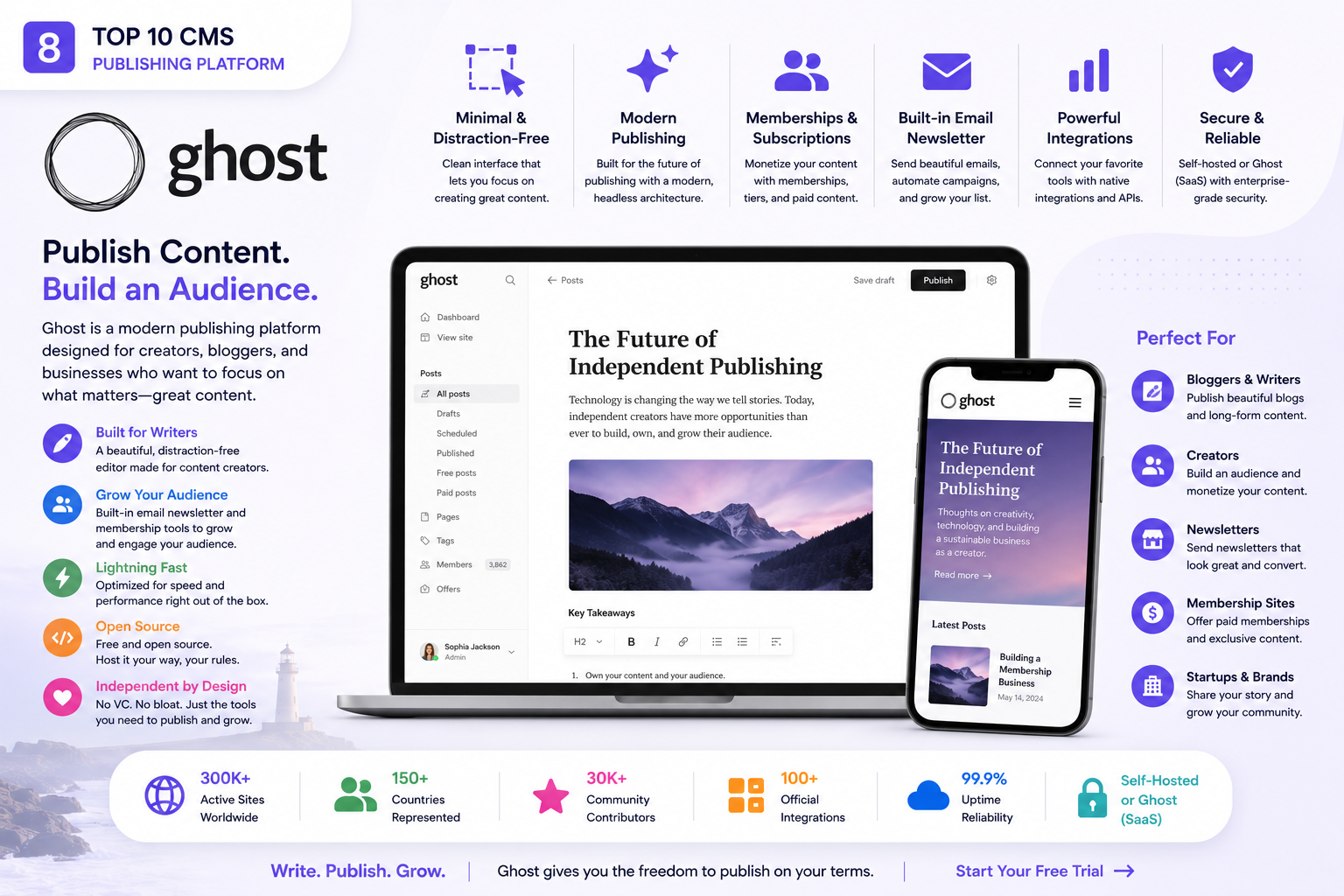
8. Ghost
Ghost is an simple platform that is focused on publishing and blogging. It is built on Node.js. It prioritizes speed and simplicity making it perfect for writers and publishers who want a distraction-free writing experience and powerful content management.
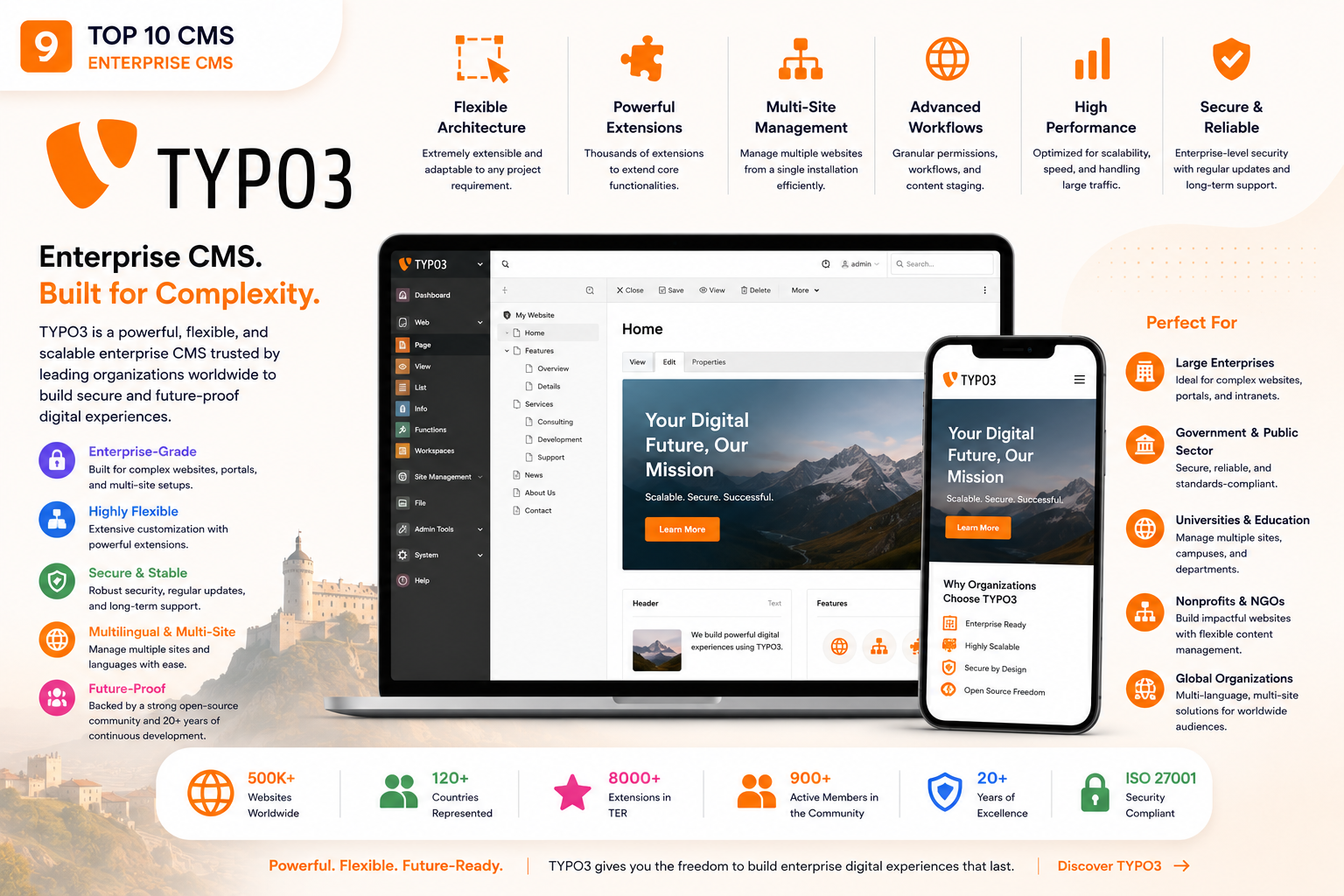
9. TYPO3
TYPO3 is a high-end Content Management System that’s popular in Europe. It is designed for websites that require detailed user permissions and multilingual support. TYPO3 is highly customizable. It is better suited for experienced developers and large organizations.
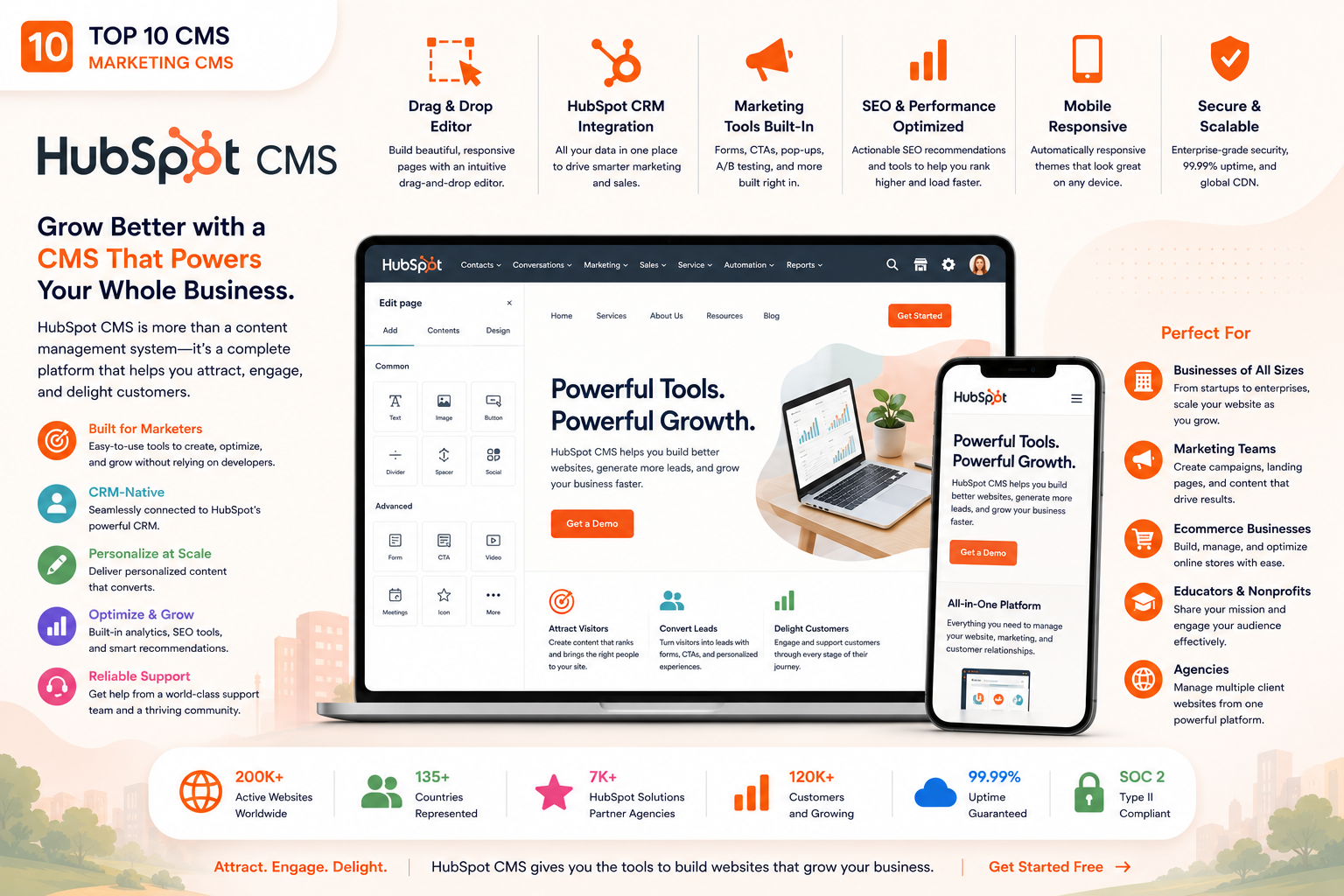
10. HubSpot CMS
HubSpot CMS works closely with its marketing and customer relationship management tools making it a smart choice for businesses that focus on marketing and lead generation. It is a managed platform that balances ease of use with marketing automation capabilities.
What Makes These Content Management Systems Different?
| CMS | Best For | Ease of Use | Customization | Hosting Type | Key Feature |
|---|---|---|---|---|---|
| WordPress | Blogs, Business, E-commerce | Easy | Very High | Self-hosted | Huge plugin ecosystem |
| Joomla | Complex websites | Medium | High | Self-hosted | Strong content management |
| Drupal | Enterprise, Government | Hard | Very High | Self-hosted | Advanced security |
| Shopify | Online stores | Easy | Medium | Hosted | Built-in eCommerce tools |
| Wix | Beginners, Small sites | Easy | Low | Hosted | Drag & drop builder |
| Squarespace | Design-focused websites | Easy | Medium | Hosted | Beautiful templates |
| Magento | Large eCommerce | Hard | Very High | Self-hosted | Advanced store management |
| Ghost | Blogging, Publishing | Easy | Medium | Both | Fast & minimal writing experience |
| TYPO3 | Enterprise websites | Hard | Very High | Self-hosted | Multilingual support |
| HubSpot CMS | Marketing websites | Easy | Medium | Hosted | CRM integration |
Ease of use: Wix and Squarespace are great because they are easy to use and have drag-and-drop interfaces, which’s perfect for beginners. WordPress is also easy to use. Has a lot of tutorials to help you.
Customization and flexibility: Drupal and Joomla offer a lot of customization, which’s ideal for complex sites with specific needs. Magento does the same. Is specialized for e-commerce.
Maintenance: Shopify, Wix, Squarespace and HubSpot CMS are hosted solutions, which means technical hassle but also less control. WordPress, Joomla, Drupal and Magento usually require hosting and more hands-on management.
Support: WordPress has the community and plugin ecosystem while platforms like Ghost and TYPO3 have smaller user bases.
Purpose focus: Some Content Management Systems are general (WordPress, Joomla) others are focused on e-commerce (Shopify, Magento) and some prioritize publishing (Ghost).
Choosing the right Content Management System really depends on your goals, technical skills and the size of your project. The good news is that there is an option for every kind of website whether you want maximum control or maximum simplicity.
Thanks for reading about the Content Management Systems with me. Time we will look at tips, for making your chosen Content Management System fast and secure. Until then happy website building with your Content Management System.